
Art To Be More

Not long ago, I was visiting my close friend Natalie in Greece. She is a painter. Over a few glasses of wine on her beautiful terrace in Athens, we were talking about the interpretation of art, the importance of dialogue, the emergence of resonance, and many other ideas that art lovers like to talk about. Natalie listened to me for a while, then sighed heavily and said that all of this was certainly beautiful and important, but she was so tired of hearing false interpretations of her paintings.
“Even people who know me well, and know that I painted these works from a place of joy and emotional abundance, kept insisting that there had to be pain and my personal wounds there, perhaps just not yet conscious,” she added.
I have never seen pain in her paintings. But as someone who spends a great deal of time interpreting art, especially through a psychological lens, I found myself wondering: Do we have the right to interpret a work of art in our own way, even when we know the artist’s context? And who owns the meaning?
This tension between artists and their interpreters has existed throughout the history of art. It is filled with moments when viewers created meanings that became even stronger than the meanings the artists themselves intended.
The enlarged flowers of Georgia O’Keeffe were repeatedly interpreted by critics as symbols of female genitalia and desire.
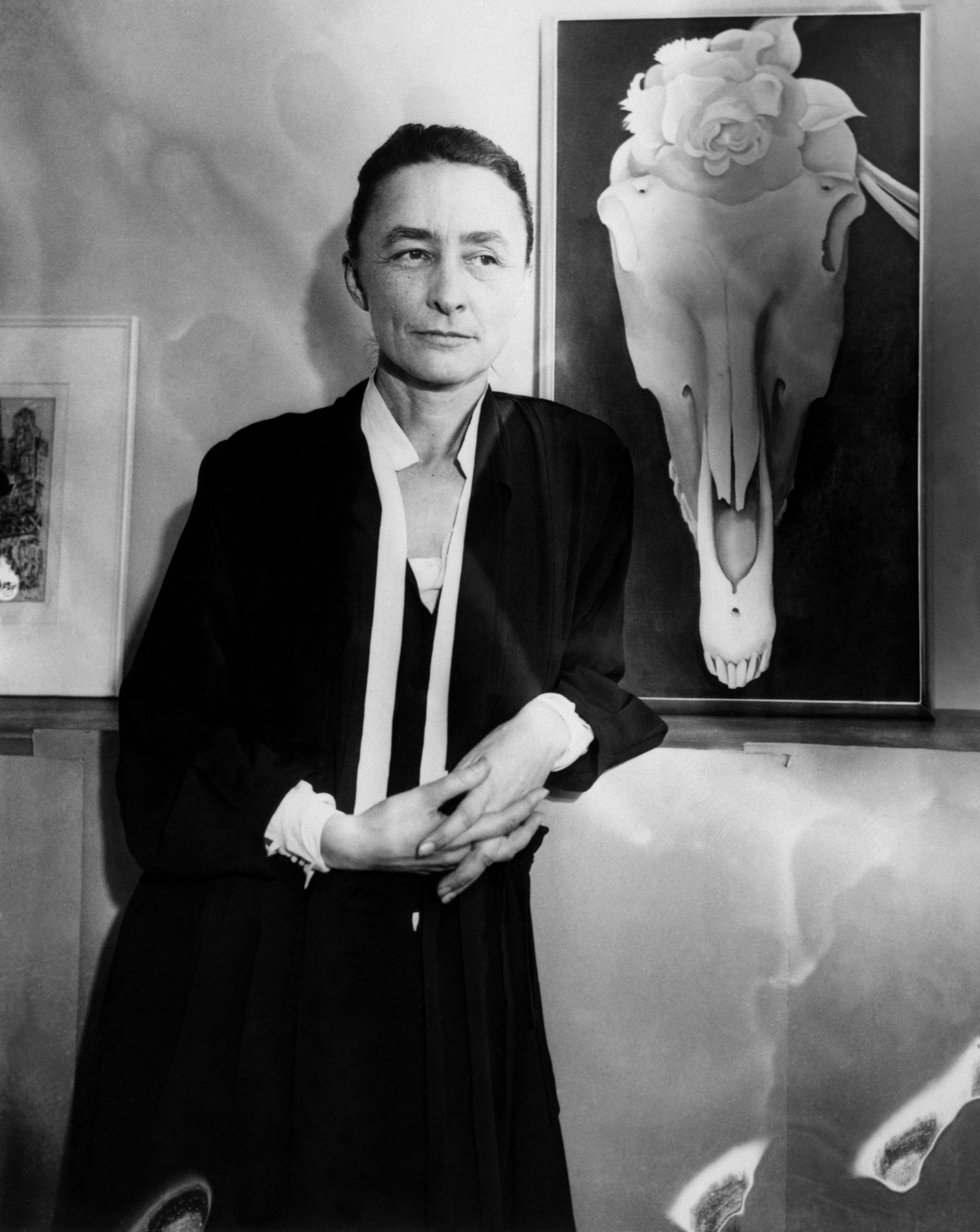
Georgia O'Keeffe with Cow's Skull with Calico Roses (1931). Photograph by Philippe Halsman, c. 1950s.
…and her flowers.
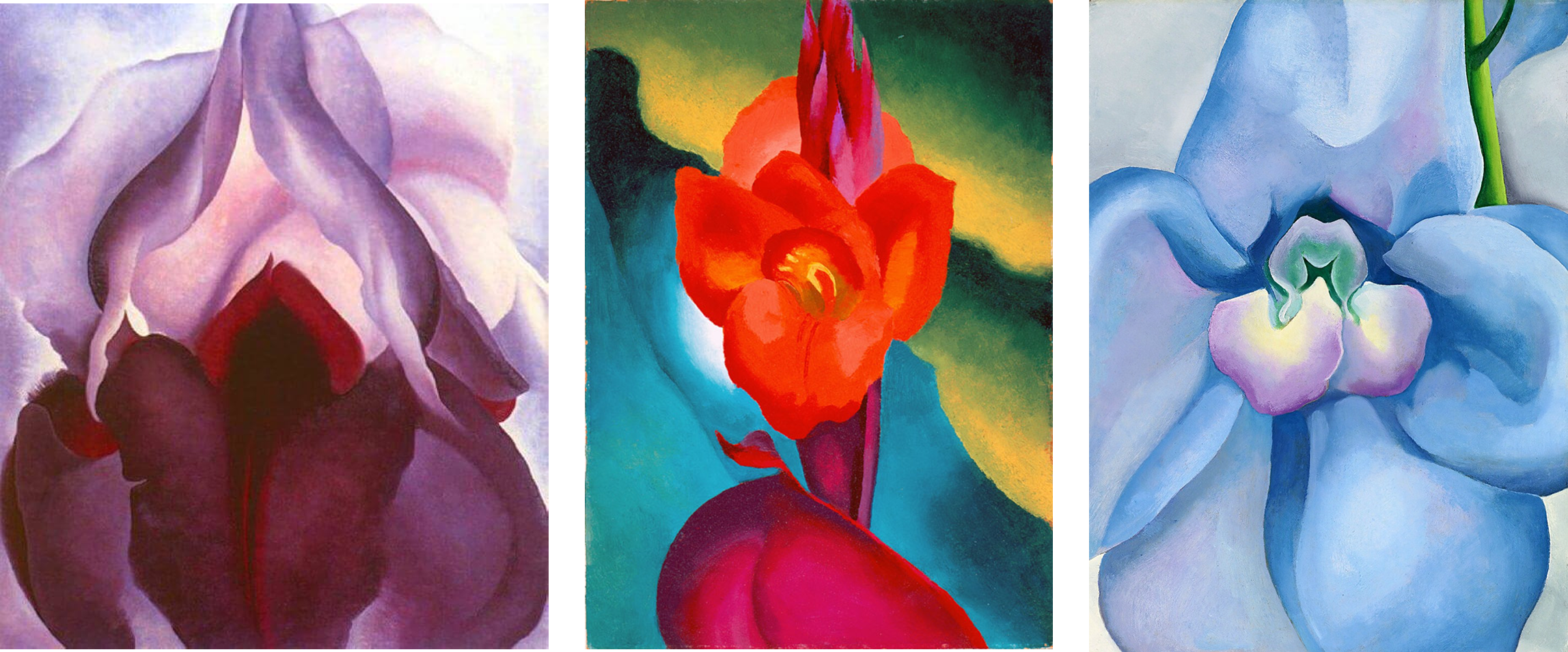
“The organs that differentiate the sex,”
wrote the American critic Paul Rosenfeld about her work.
“When people read erotic symbols into my paintings, they’re really talking about their own affairs,”
Georgia replied, rejecting these readings throughout her life.
She later addressed the misunderstanding even more directly:
“Well—I made you take time to look at what I saw, and when you took time to really notice my flower, you hung all your own associations with flowers on my flower, and you write about my flower as if I think and see what you think and see—and I don’t.”
Edvard Munch’s Love and Pain offers another striking example. Today, the painting is widely known as Vampire—a title given by critics, not by Munch himself.
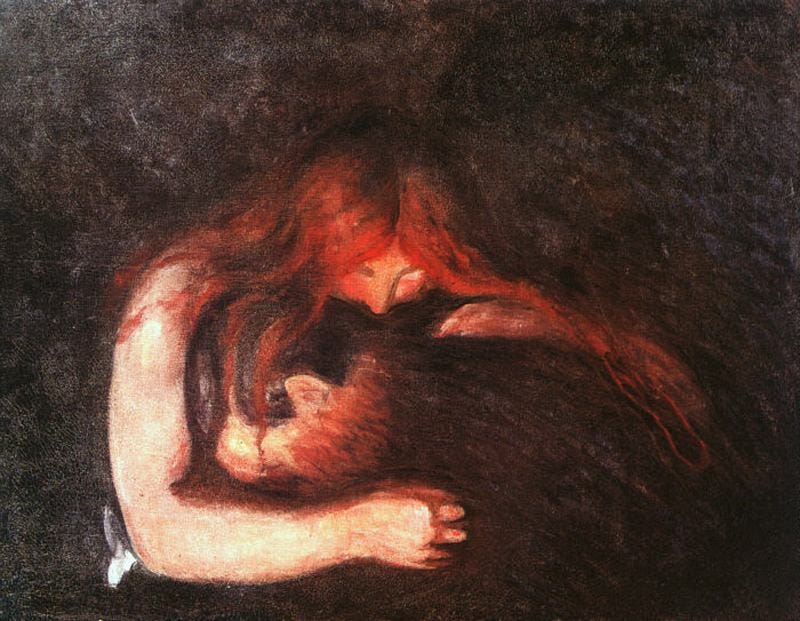
Edvard Munch, Love and Pain (later known as Vampire), 1895. Oil on canvas.
Viewers saw the woman as a predatory vampire draining the life from a vulnerable man. Munch described something entirely different: a moment of tenderness.
“A broken man with a biting vampire at his neck,” said the Polish writer and critic Stanisław Przybyszewski, who was the first to call the painting Vampire.
“It is simply a woman kissing a man on the neck,” replied Munch.
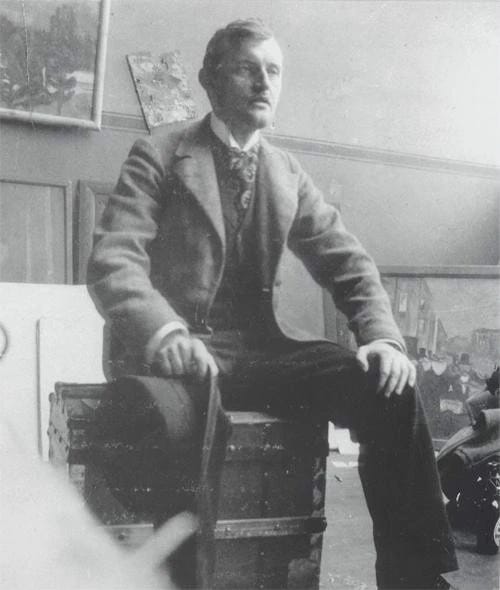
Edvard Munch in his studio, c. 1902–1903. Photographer unknown.
James McNeill Whistler resisted another kind of interpretation altogether. He grew frustrated with critics who searched his paintings for hidden narratives and symbols when his ambition was to speak through color, rhythm, and atmosphere. By giving his works titles such as Nocturne, Harmony, and Arrangement, he deliberately invited viewers to approach painting as they would music rather than literature.
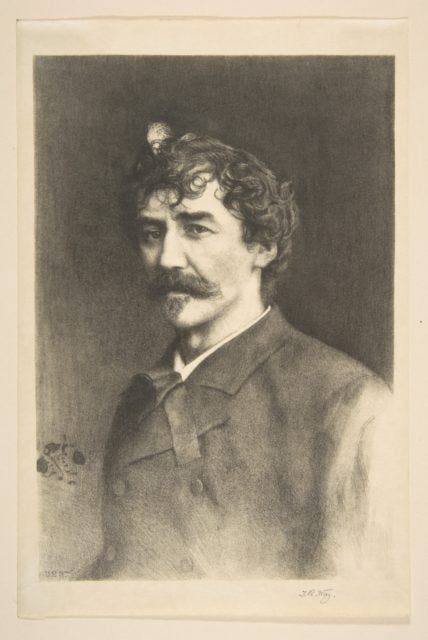
James McNeill Whistler. Lithograph by Thomas R. Way, 1905.
“The vast majority of English folk cannot and will not consider a picture as a picture, apart from any story that it may be supposed to tell,”
Whistler wrote, frustrated by critics’ persistent search for narratives where he intended none.
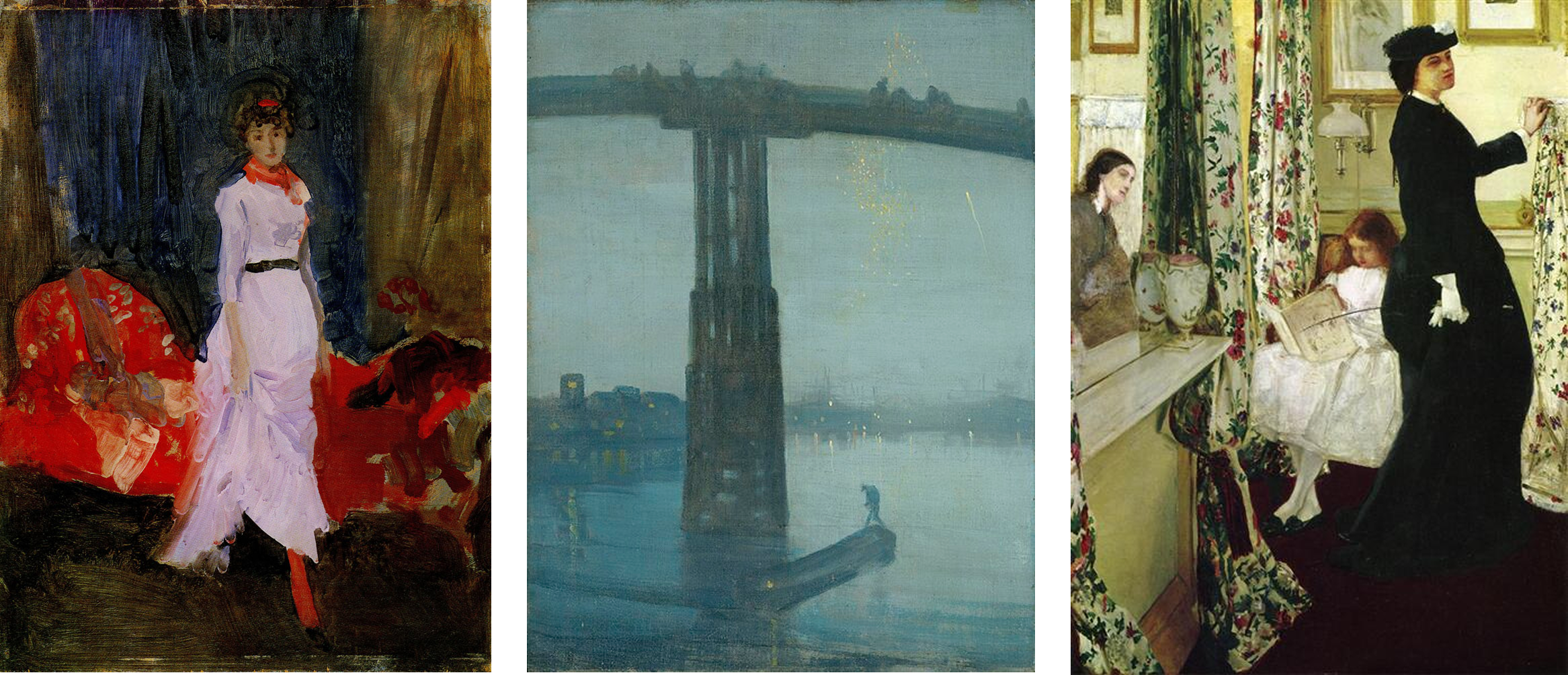
Selected paintings of James McNeill Whistler. Different years.
Kazimir Malevich experienced perhaps the most radical reversal of meaning. When Black Square first appeared at the Last Futurist Exhibition 0.10 in pre-revolutionary Russia, critics, most notably Alexandre Benois, saw not a beginning but emptiness, the death of painting, and artistic nihilism.
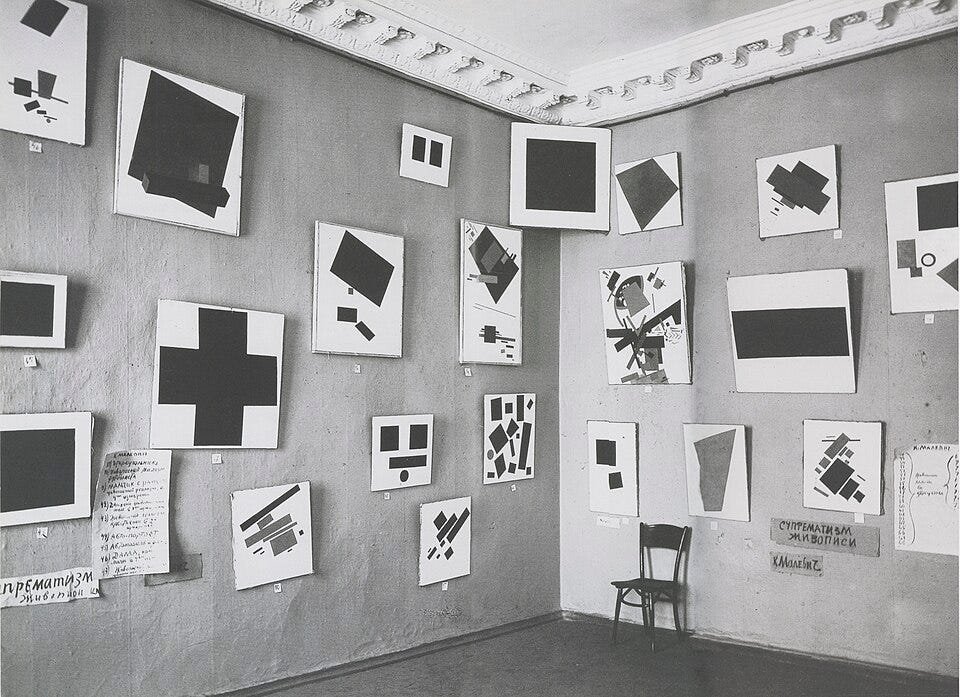
Installation view of The Last Futurist Exhibition of Paintings 0.10, Petrograd, 1915–1916. Black Square is displayed in the upper corner, where an icon traditionally hung in a Russian home. Photograph by Karl Bulla.
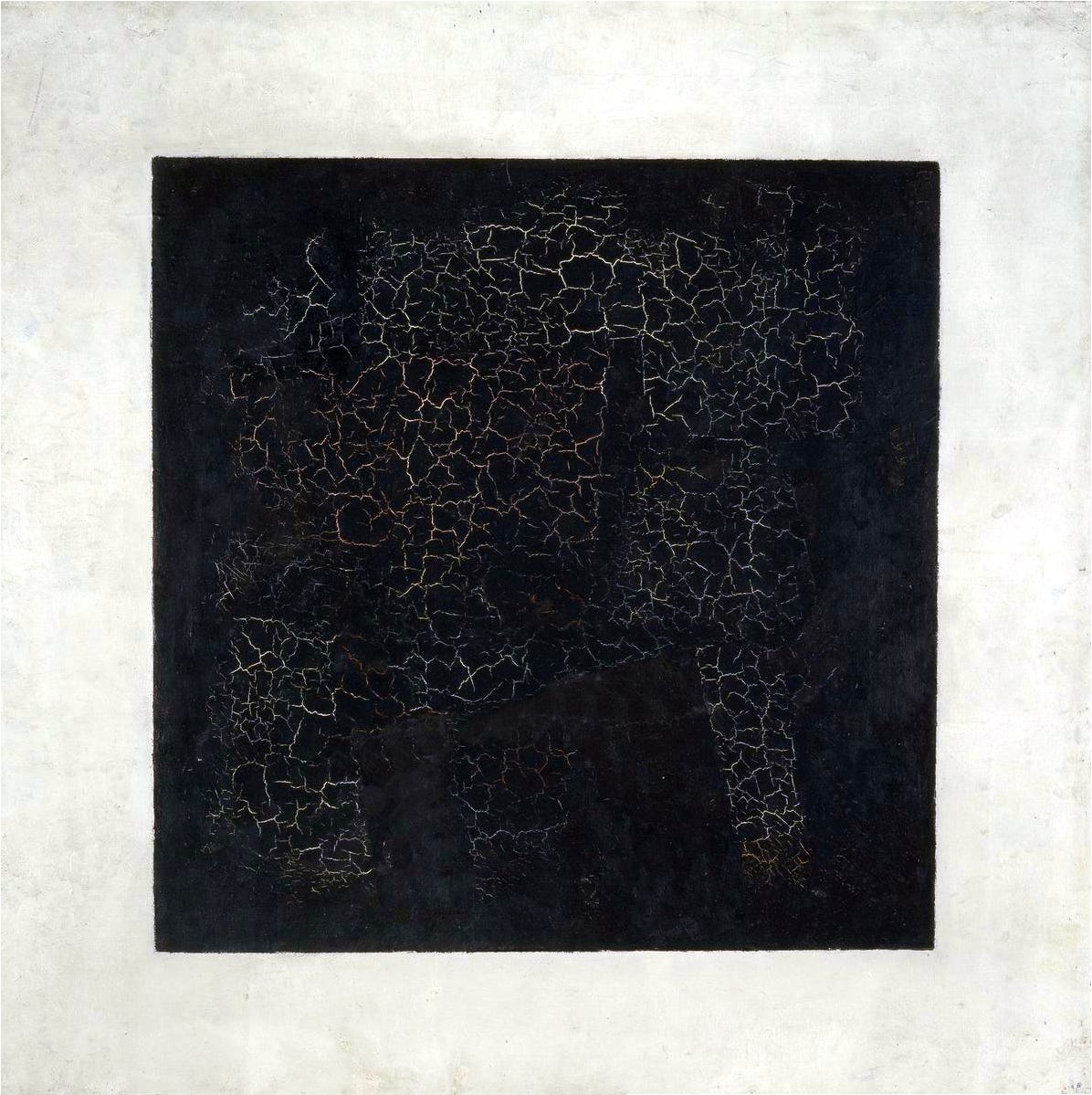
Kazimir Malevich, Black Square, 1915. Oil on linen.
“The Black Square in its white frame is not merely a joke or a provocation. It is an act of self-assertion by what can only be called the ‘abomination of desolation’—a force that boasts it will lead everything to destruction through pride and contempt for all that is loving and tender,”
wrote the influential art critic Alexandre Benois in a review published in Rech on 9 January 1916.
To Malevich, however, the square meant exactly the opposite. It represented a beginning—a new point of departure and the birth of a new artistic consciousness.
In The Non-Objective World (1927), he recalled the reaction of critics:
“When, in the year 1913, in my desperate attempt to free art from the ballast of objectivity, I took refuge in the square form and exhibited a picture which consisted of nothing more than a black square on a white field, the critics and, along with them, the public sighed:
‘Everything which we loved is lost. We are in a desert... Before us is nothing but a black square on a white background!’”
He then answered them:
“But this desert is filled with the spirit of non-objective sensation.”
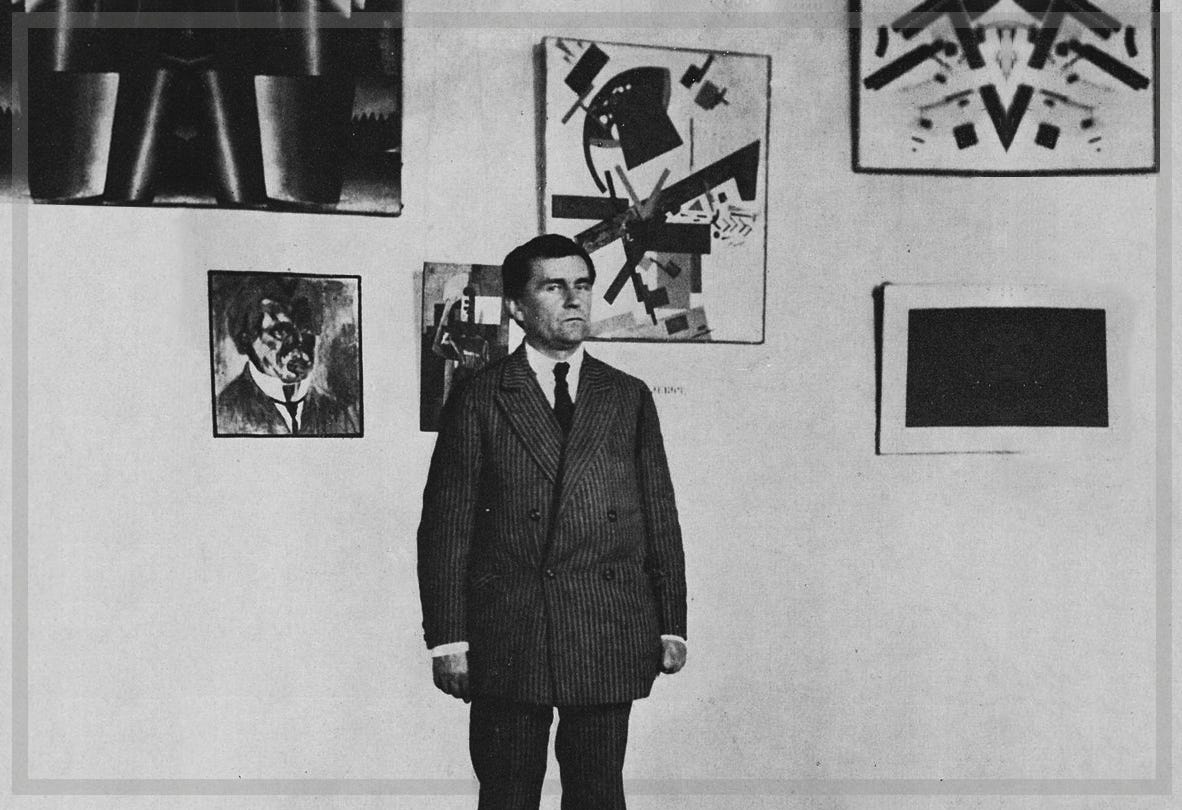
Kazimir Malevich with his paintings in Leningrad, 1924. Photograph by Mikhail V. Alpatov.
Philosophers, literary critics, and art historians have debated this question from different angles.
Roland Barthes took a radical position. In his 1967 essay The Death of the Author, he argued that once a work is created, the author loses absolute authority over its meaning — the work comes alive only through its readers, and every new encounter opens new possibilities of understanding.
Umberto Eco was not ready to go quite that far. Artworks, he agreed, are open to interpretation, but that openness has limits. A work can invite many readings, yet not every reading is equally supported by the work itself; interpretation still requires a genuine connection with what is actually there.
E. D. Hirsch went deeper, bringing in an important distinction between meaning and significance. Meaning, he argued, belongs to the author’s intention and stays fixed. Significance is what changes; it shifts with every generation, as each brings its own historical, cultural, and personal context to the work.
Having explored the work of thinkers on this subject, I found myself wondering if we might be missing something important.
I think the problem often begins when we confuse interpretation with projection.
I see interpretation as our attempt to understand a work of art through our own experience. We bring our memories, beliefs, worldview, and life experience when encountering art. They shape the way we see. The artist’s own context enriches our interpretation and can become a valuable starting point. Not because it tells us what a work must mean, but because it reminds us that every painting emerges from another personality, another history, another way of seeing the world, from an artist.
And the confusion begins when interpretation turns into projection. In psychology, projection is the tendency to attribute our own feelings, beliefs, or inner states to someone or something else. In art, it happens when our personal response stops being a response to the work and becomes a claim about the work itself or even about the artist.
Projection is not a mistake. It is an inevitable consequence of being human. We can’t leave our memories, beliefs, or emotional histories at the entrance to a museum. But they should not prevent us from encountering someone other than ourselves.
That’s why there is a profound difference between the following sayings:
“I see grief in this painting,”
and
“This painting is about grief.”
The first is a response in a dialogue. The second is a projection, a statement in a monologue.
Perhaps this is why the distinction matters beyond art itself. The habit of projecting our own meanings onto everything we encounter turns the world into a reflection of ourselves. We stop meeting what is unfamiliar and begin translating everything into what we already know.
Art, however, offers us an opportunity to experience the world from perspectives entirely different from our own. To discover and absorb new ways of loving, grieving, being alone and being with someone, creating, searching, staying, and moving forward. Yes, sometimes it is frightening. And, as with every journey of discovering life and ourselves, there is no final destination. But artists, through their art, can help us begin that journey, having already lived it on their canvases.
So, I would now rephrase my original question.
It is no longer: Do we have the right to interpret art?
Instead, I would ask: How should we interpret art so that it makes us more?
Whatever more may mean to each of us.
More to Explore:
The Paragone is ad-free, AI-free, and written entirely by one loving, passionate human—me. If my work touches your heart, please consider supporting it with a donation to help keep it alive and thriving. If you already do, I am deeply grateful.