
Did you miss anything if you missed the Venice Preview?
No, actually. Because art was not there, just like you were not.

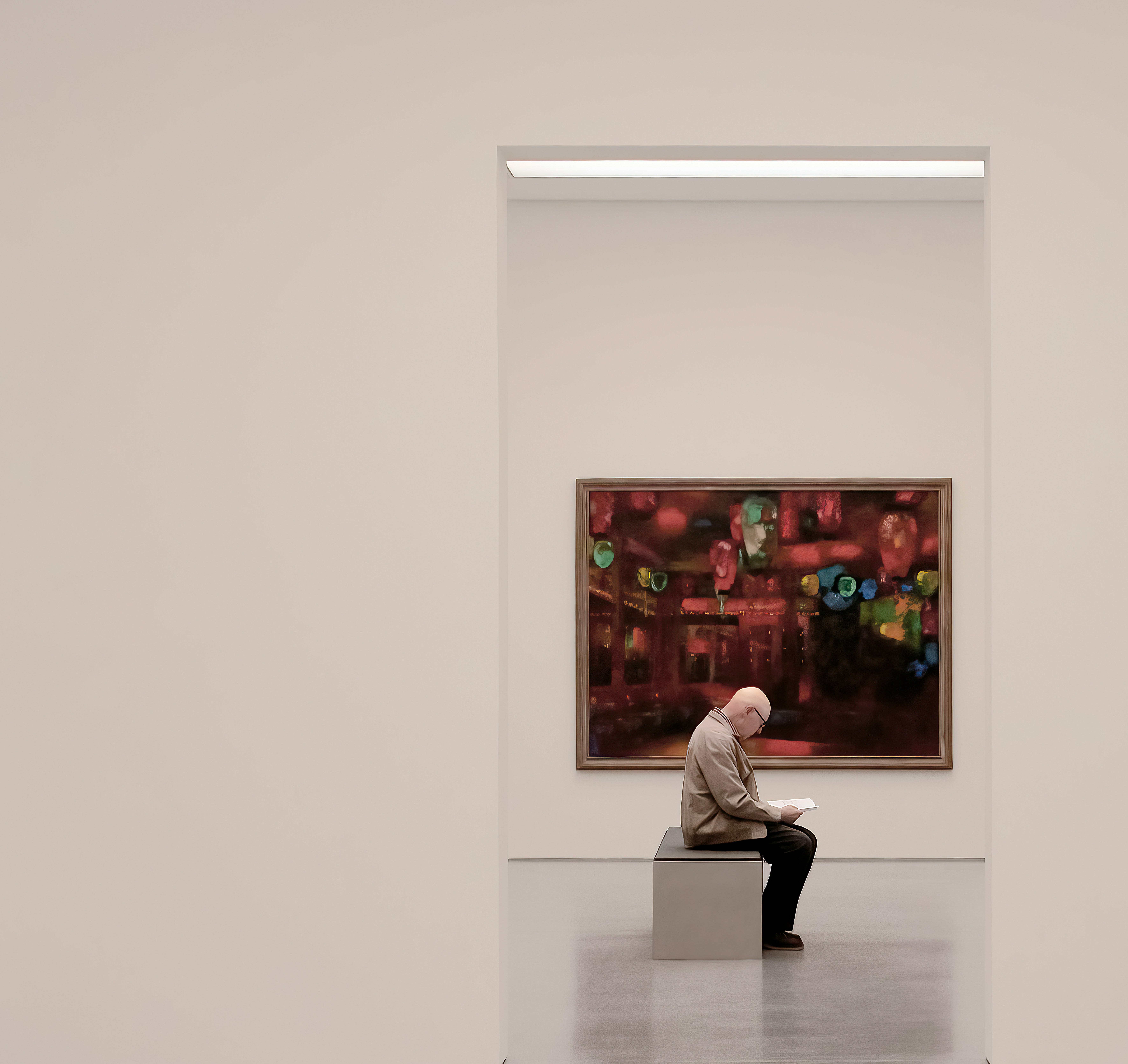
Photo by Ricardo Gomez Angel, Unsplash
Every two years, the art world gathers in Venice for its most prestigious ritual: the Venice Biennale.
Officially, the exhibition runs for over six months. In reality, the industry arrives for the exclusive three-day Preview Week (the Vernissage) where collectors, curators, dealers, advisors, and everyone lucky enough to secure an invitation gather together. These days are dedicated to making the hottest deals, building connections, and simply gossiping.
Artists are there, too, of course. The established ones pitch new “ambitious” projects over cocktails. The emerging ones stand quietly with champagne glasses in hand, desperately hoping the galleries’ marketing investments in them will pay off and their contracts will be renewed.
The Biennale, and contemporary art in general, likes to position itself as a reflection of the modern world. This year, it succeeded almost too well.
The entire event became a perfect Black Mirror of the current global geopolitical and moral disaster. Russia, being cancelled and sanctioned almost everywhere else, still has its own pavilion, generating even more publicity through controversy alone. Ukraine and its supporters, with little success, respond with outrage and protest performances. America, historically convinced of its role as the global architect of justice and humanitarian values, dominates the moral atmosphere of the event, aggressively exporting its ideological framework by threatening cancellation for almost anything if you are not considered “moral enough” — even when it concerns one of its own artists (our sincere condolences to Alma Allen).
The spaces of the Biennale no longer revolve around artistic depth. They revolve around statements, optics, trends, ideology, and institutional signalling. It sounds almost ridiculous, but art increasingly feels secondary here to the performance surrounding it.
And that raises an inevitable question: Where exactly is the art in all of this?
Perhaps you did not miss it because the art simply was not there, just like you were not.
Art in Venice has been drowned by a total fear of standing by truth and personal values, without which real art cannot exist. Speaking honestly without fearing exclusion from the current, quite literally empty dialogue. Reminding people of what actually matters.
The industry constantly demands change in its endless fight for attention and relevance, yet remains strangely silent about the global crisis slowly eroding its own strategic foundation:
Art itself.
But the contemporary art industry no longer seems interested in that responsibility.
Because meaning is risky. Beauty is suspicious. Integrity is boring. And depth performs poorly online.
The tragic figures in this story are the artists themselves.
Many still carry the old romantic belief that genuine talent will eventually be recognised. Even after years inside the system, they continue working in small studios, stretching impossible budgets, doubting themselves, producing work under relentless economic pressure while hoping the next exhibition, the next curator, or the next collector might finally change their lives.
And during events like the Biennale, many stand silently with champagne in hand while their “serving” industry decides whether their inner world is commercially, politically, or socially acceptable enough to deserve visibility.
Yet fortunately, real art has never depended entirely on Venice.
Good art still survives far away from institutional spotlights. It lives in independent studios across the world — in apartments, co-livings, and forgotten workshops. In exhausted painters working after midnight. In artists who continue making things not because the market asked for them, but because they are still trying to understand something essential about being alive.
That is the Art worth looking for.